The Bay
A matte-painting study built around a coastal bay environment, developed as one of the earliest featured projects on the site. The piece explores light and atmosphere across water, shoreline, and distant hills.
Lejbs is a working sketchbook of matte-painting and VFX environment studies, built around named projects such as The Bay, The Great Wall, The Bunker, and The Frozen Cliff. Each project page gathers finished frames alongside development stages, including camera projection tests.
Digital matte painting sits at the intersection of photography, painting, and three-dimensional scene assembly, allowing artists to construct environments that feel both expansive and believable. The process often begins with gathering reference imagery, studying how natural light behaves across different surfaces, and sketching rough compositions before committing to detailed frame work. Every study posted on this site reflects that exploratory spirit, treating each image as a question about atmosphere, scale, and mood rather than a final polished statement.
Environment art relies heavily on understanding how color temperature shifts across a scene. Cool shadows recede while warmer highlights advance, and the balance between the two defines the emotional tone of a frame. Many of the studies featured here examine that relationship closely, pushing green foregrounds against hazy distant blues or letting a golden sky bleed into dark terrain. These choices are rarely accidental; they come from observing real-world light and translating it into a digital canvas.
Camera projection is a technique that bridges two-dimensional painting and three-dimensional space by mapping painted textures onto simple geometry. It gives a static image parallax and depth, making a still frame feel like a walkable environment. Several project pages on this site include projection tests that reveal how a single matte painting can unfold into a moving shot, showing the scaffolding behind the final render and the careful planning required to sell the illusion.
Working with skies is one of the most rewarding challenges in environment design. A sky sets the entire emotional register of a scene, whether it is a muted overcast wash, a dramatic sunset breaking through cloud cover, or the cold clarity of a winter atmosphere. The personal projects collected here return to skies again and again, treating them not as backgrounds but as active participants in the storytelling and composition of each frame.
The concept of the sketchbook runs through the entire site. Finished frames sit alongside work-in-progress shots, rough blockouts, and annotated breakdowns, preserving the messier stages that polished portfolios often discard. This approach values process over product and invites a closer look at how an image evolves from a loose idea into a resolved composition, with all the revisions and dead ends that journey entails.
Futuristic cityscapes appear as a recurring theme, blending architectural scale with atmospheric depth. These studies imagine dense vertical environments where light scatters through haze between towers, and distant structures dissolve into soft silhouettes. The challenge lies in making an invented skyline feel grounded, giving it the weight and wear of a place that could exist, rather than a sterile geometric exercise.
Color and light are the twin pillars of every environment study on this site. Whether a scene leans into the muted greens and ochres of a natural landscape or the cool grays and electric accents of an urban night, the palette is always deliberate. Observing how painters and cinematographers handle color relationships informs the digital work, and many projects include notes on the references that shaped those decisions.
The Wellington and Auckland creative scenes have influenced the tone of the work collected here, with their particular quality of coastal light and dramatic weather patterns. Being based in New Zealand means constant exposure to landscapes that shift quickly between calm and turbulent, and that variability finds its way into the digital studies, where mood can turn on a single change in cloud cover or water surface.
Books and film remain essential training grounds for any environment artist. Studying how cinematographers block a scene, how production designers build a world through detail and texture, and how traditional painters solve problems of depth and focus all feed into the digital practice. The site reflects that ongoing education, with projects that function as applied lessons drawn from wider visual culture.
Every image on this site is presented as part of an ongoing conversation about craft. There is no claim to finality, only a record of attempts, adjustments, and occasional breakthroughs. The frames are meant to be read slowly, with attention to the choices embedded in each layer, and the invitation is simply to look closely at how digital environments are built from the ground up.
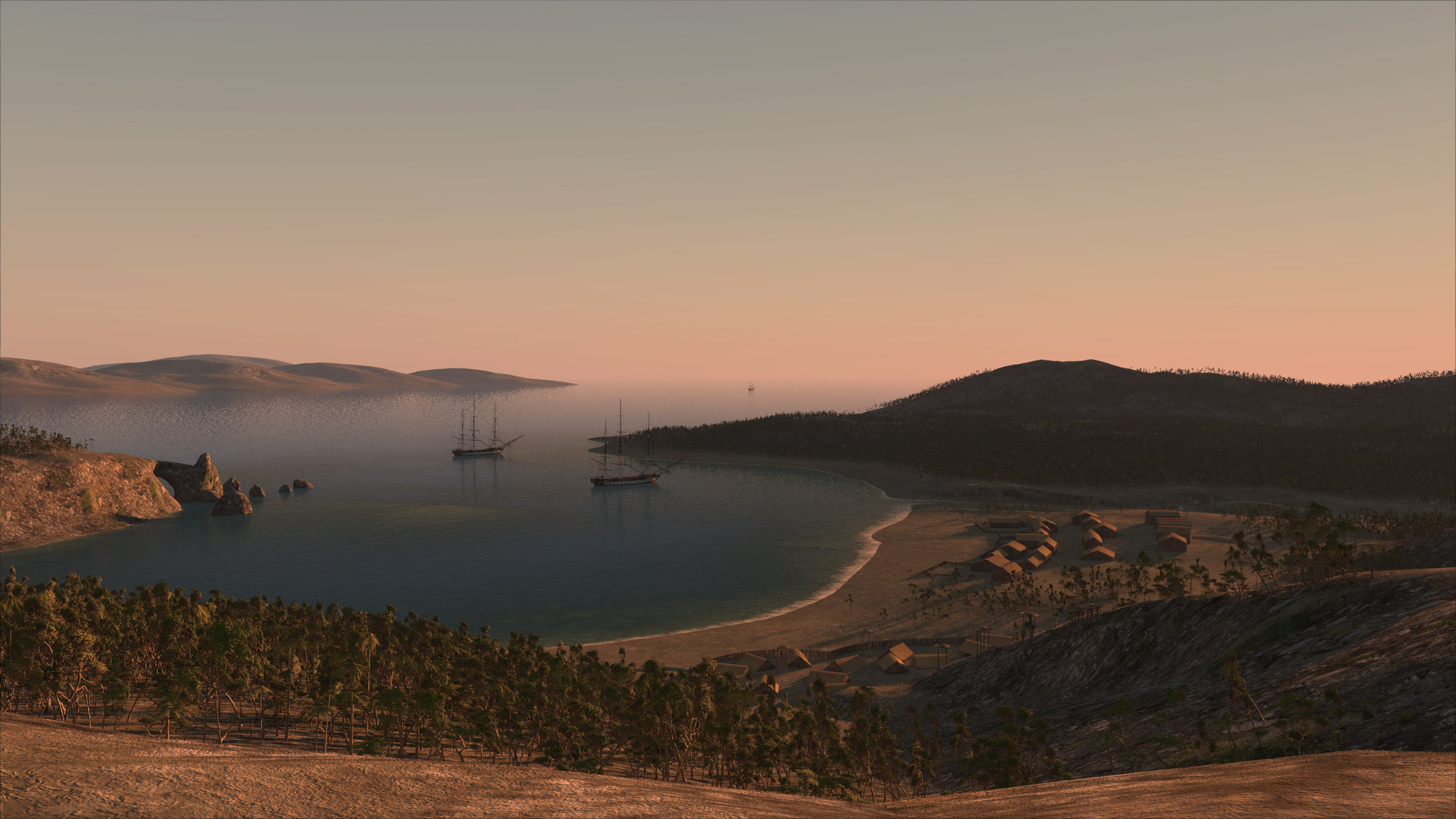
A matte-painting study built around a coastal bay environment, developed as one of the earliest featured projects on the site. The piece explores light and atmosphere across water, shoreline, and distant hills.
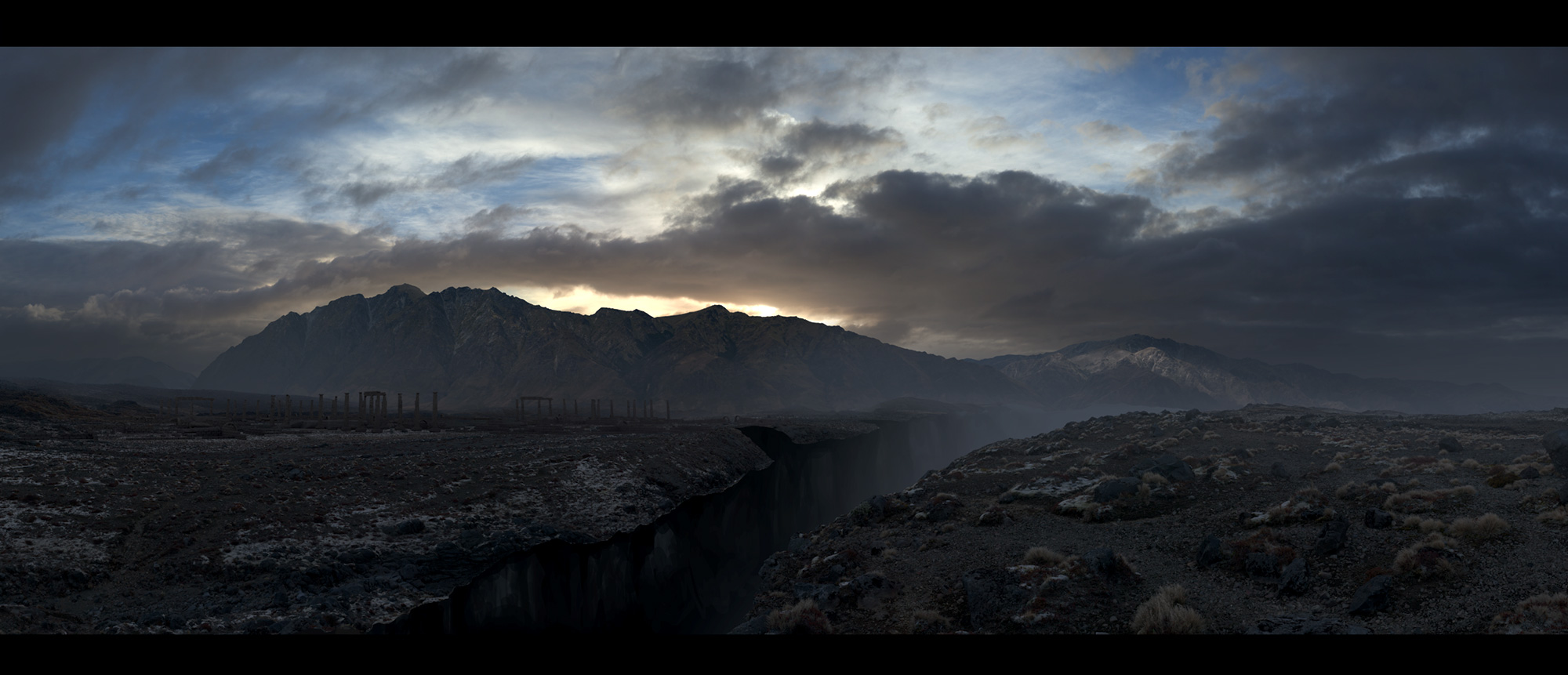
An environment study themed around a great wall setting, rendered as a full matte-painting composition. The project is organized within the site's blog feed alongside related inspiration posts.
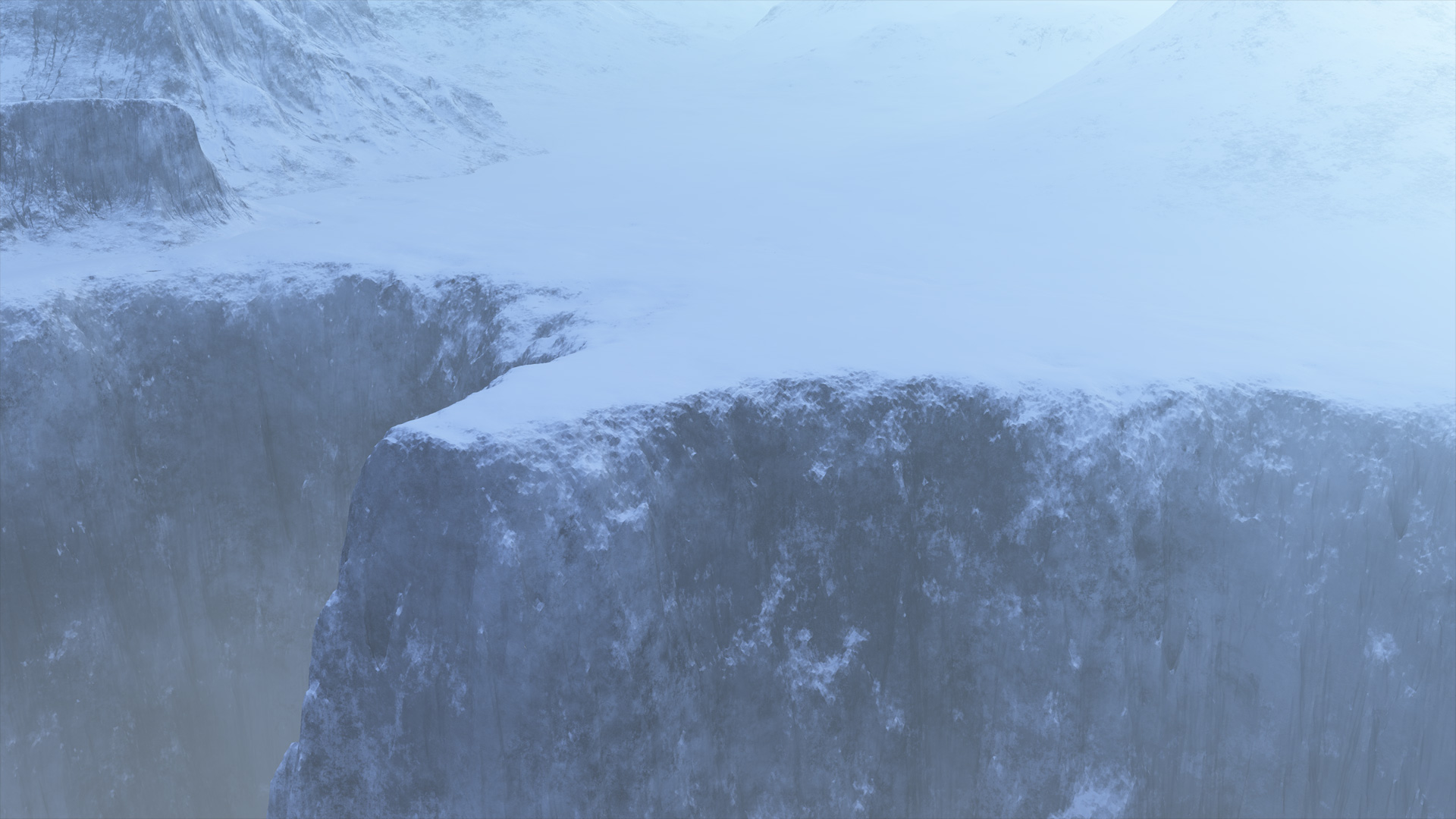
This project documents a frozen cliff environment through multiple stages, including published camera projection tests that show how the painted matte is set up against a moving camera. It sits alongside the finished composition in the project's posts.

A gallery devoted to environmental designs for a bunker setting, continuing the site's focus on constructed and natural landscapes for matte-painting work. View the Bunker project.

The Blog collects project updates and shorter studies, including a post simply titled "Study," organized by categories such as Inspiration and VFX Artists. It is the best place to follow how each environment develops over time.
The Artists page lists external portfolios of matte-painting and VFX artists referenced for inspiration, including Dylan Cole, Joseph Mclamb, Nathan Fowkes, Thomas von Kummant, Alyssa Zárate, Berrin Moody, Dale Pretorius, and John Walters. These are independent portfolios, not affiliated with Lejbs.