Context & Inspiration
This site exists within the broader visual-effects community. The Artists page links to the portfolios of several accomplished VFX professionals whose work continues to inspire — including Dylan Cole, Nathan Fowkes, and others. The Blog collects project updates, studies, and reflections on the creative process.
Lejbs is not affiliated with any studio or linked artist; it is an independent showcase of one artist's ongoing exploration of digital environment design.
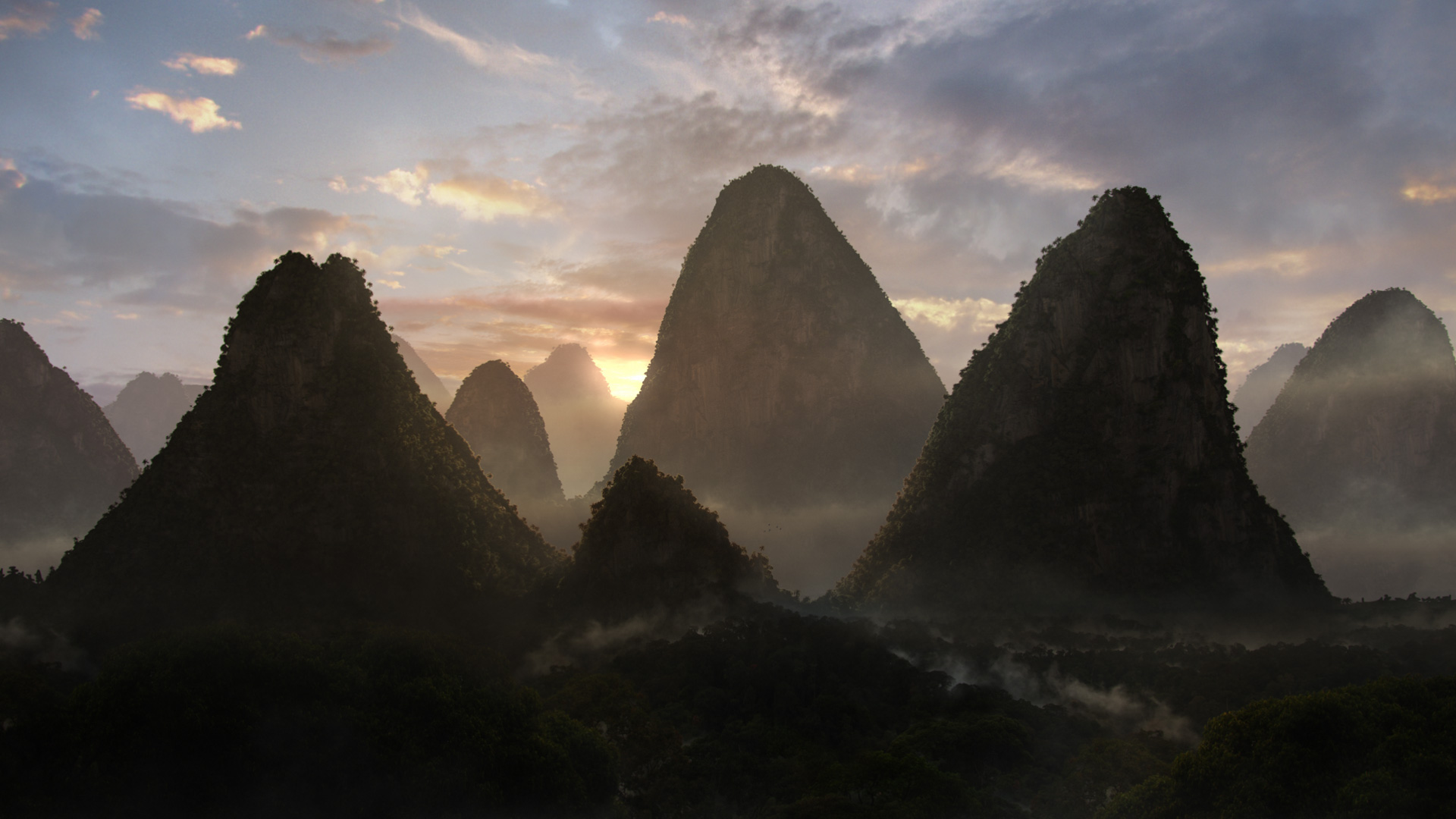
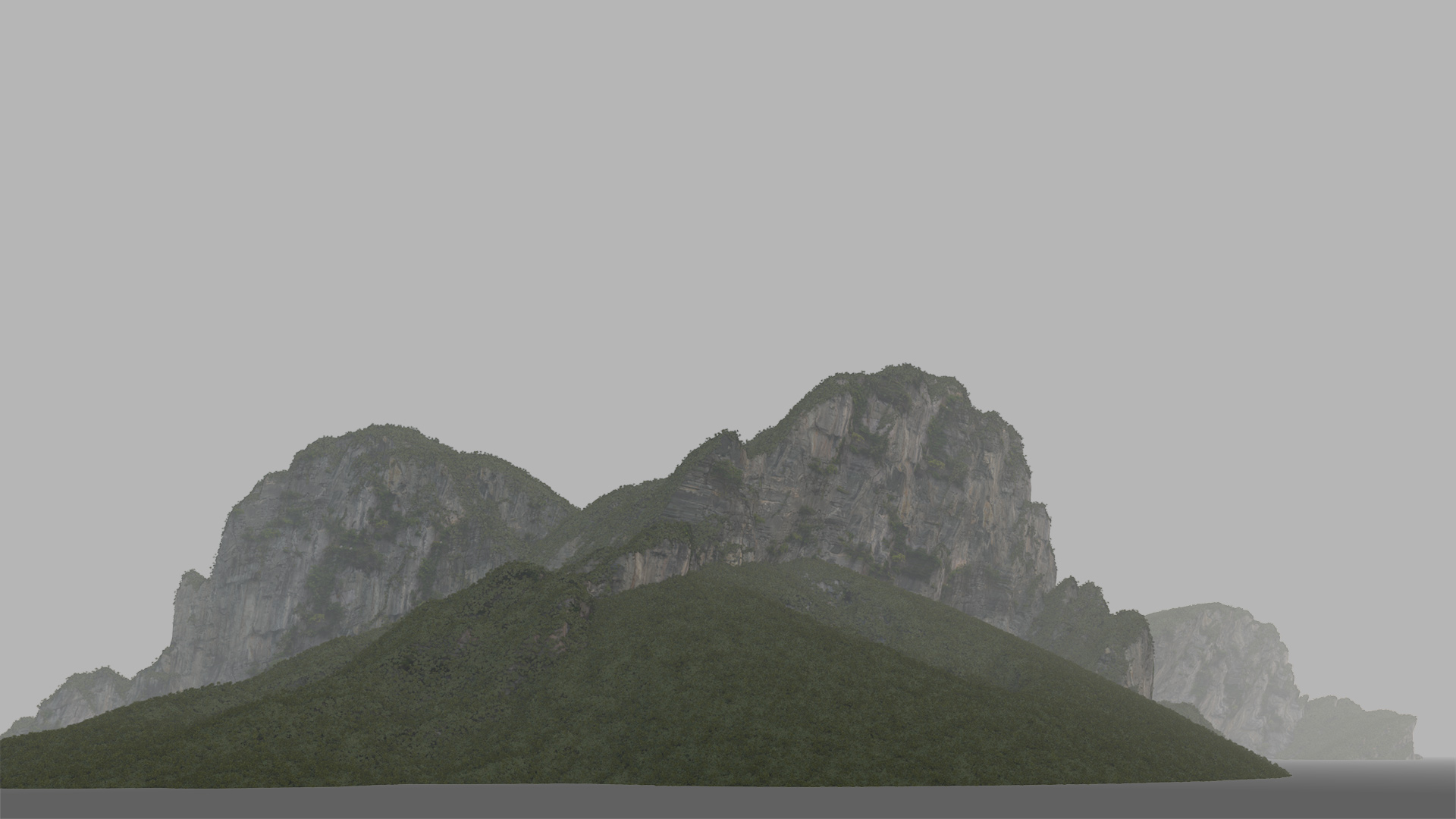
Matte painting is a discipline that bridges the gap between traditional artistry and modern digital workflows. At its core, it involves the careful construction of believable environments that support storytelling within visual media. Practitioners must develop a strong understanding of light behavior, atmospheric perspective, and color theory to create scenes that feel grounded and immersive. Whether depicting sweeping natural landscapes or intricate futuristic cityscapes, each composition requires thoughtful planning and technical precision. The process often begins with rough concept sketches, evolves through value studies and color blocking, and culminates in detailed final renders that integrate seamlessly into live-action footage or fully digital sequences.
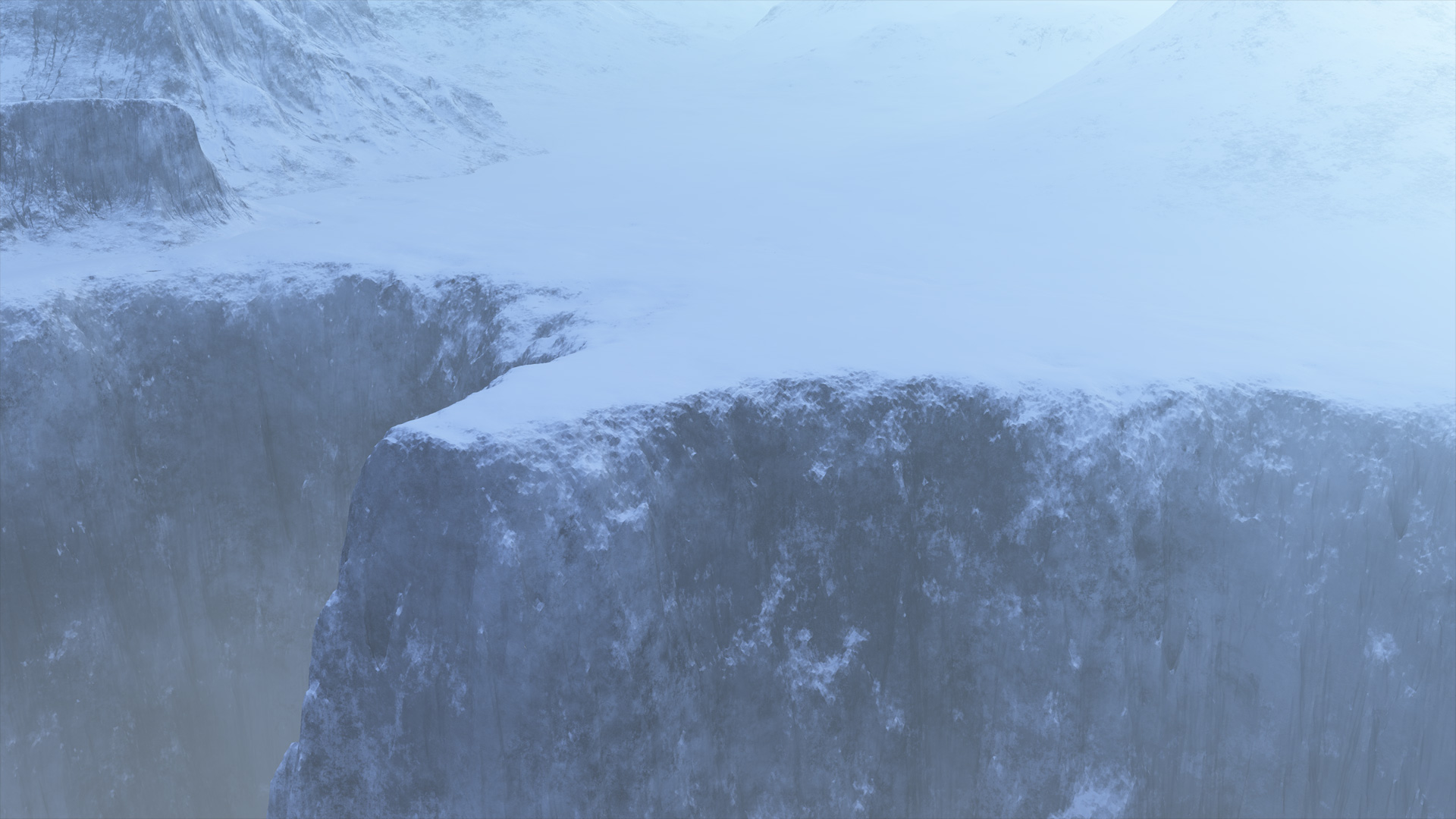
The study of light and color forms the foundation of any convincing environment painting. Observing how sunlight interacts with different surfaces, how shadows shift throughout the day, and how atmospheric haze affects distant elements all inform the artist's choices. Digital painters often work with reference photography to capture realistic lighting conditions, then reinterpret those observations through their own creative lens. This practice extends beyond simple replication — it involves understanding the underlying principles that govern visual perception. By mastering these fundamentals, artists can construct imaginary worlds that feel as tangible and lived-in as real locations, whether those scenes are set on distant planets or in familiar urban settings.
Personal projects play a vital role in developing artistic voice and technical skill outside the constraints of commercial work. These self-directed pieces allow for experimentation with unconventional compositions, unusual color palettes, and ambitious subject matter that might not fit within a client brief. Many environment artists maintain ongoing series that explore specific themes — such as the relationship between architecture and nature, or the atmospheric qualities of different weather conditions. This body of personal work often becomes the most distinctive part of a portfolio, demonstrating not only technical capability but also creative vision and dedication to the craft. It is through these projects that an artist's unique perspective truly emerges.
The portfolio serves as a living document of an artist's evolving journey through the field of digital environment creation. Each completed piece represents countless hours of observation, iteration, and refinement — from initial thumbnail sketches through to polished final renders. Behind every finished image lies a process that may include camera projection tests, texture studies, lighting experiments, and multiple rounds of critique. The goal is not merely technical proficiency but the ability to transport viewers into another space and time through visual storytelling. As techniques continue to evolve and new tools emerge, the practice of matte painting remains anchored in the timeless principles of composition, atmosphere, and narrative intent.