Concept & Approach
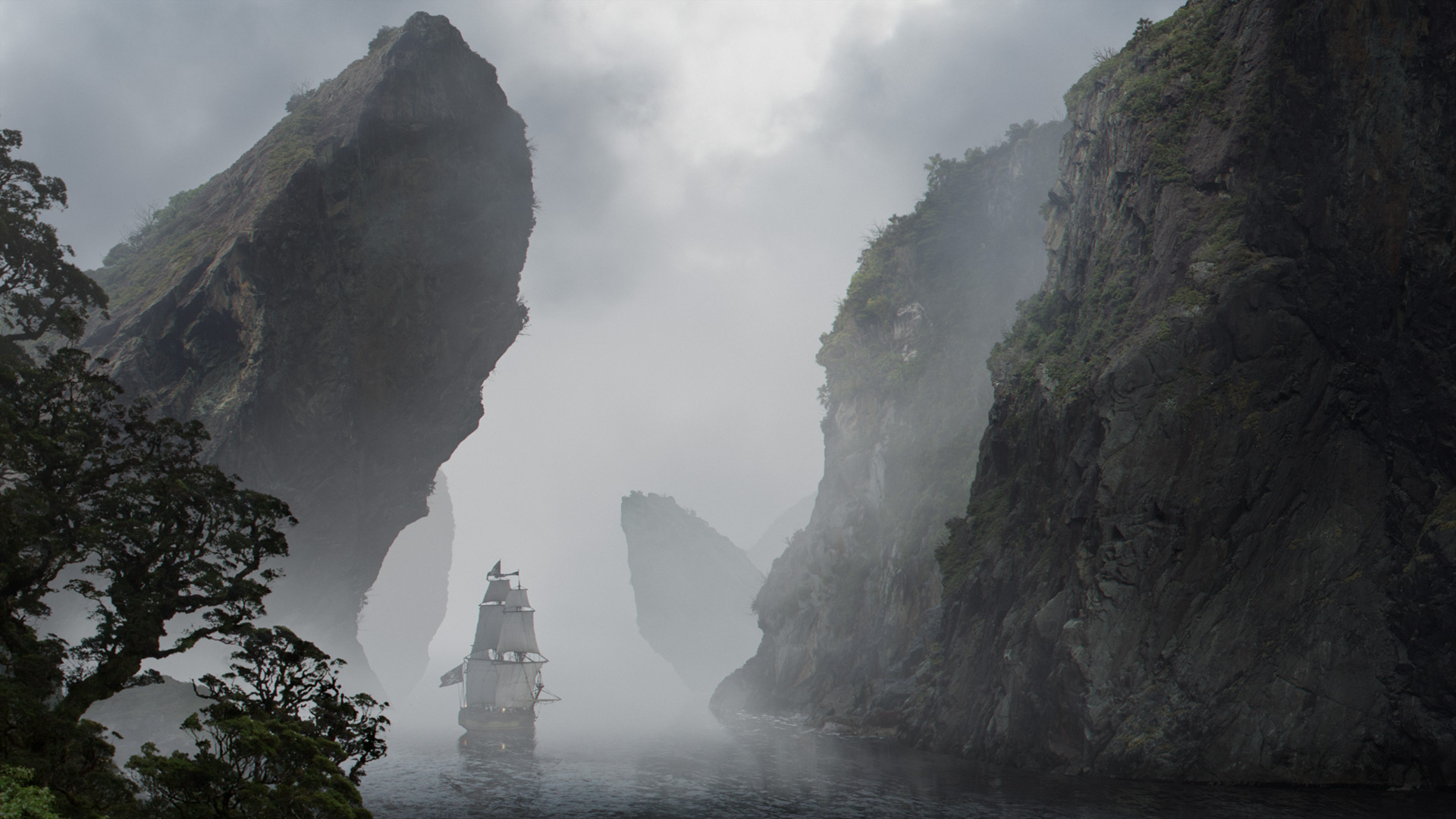
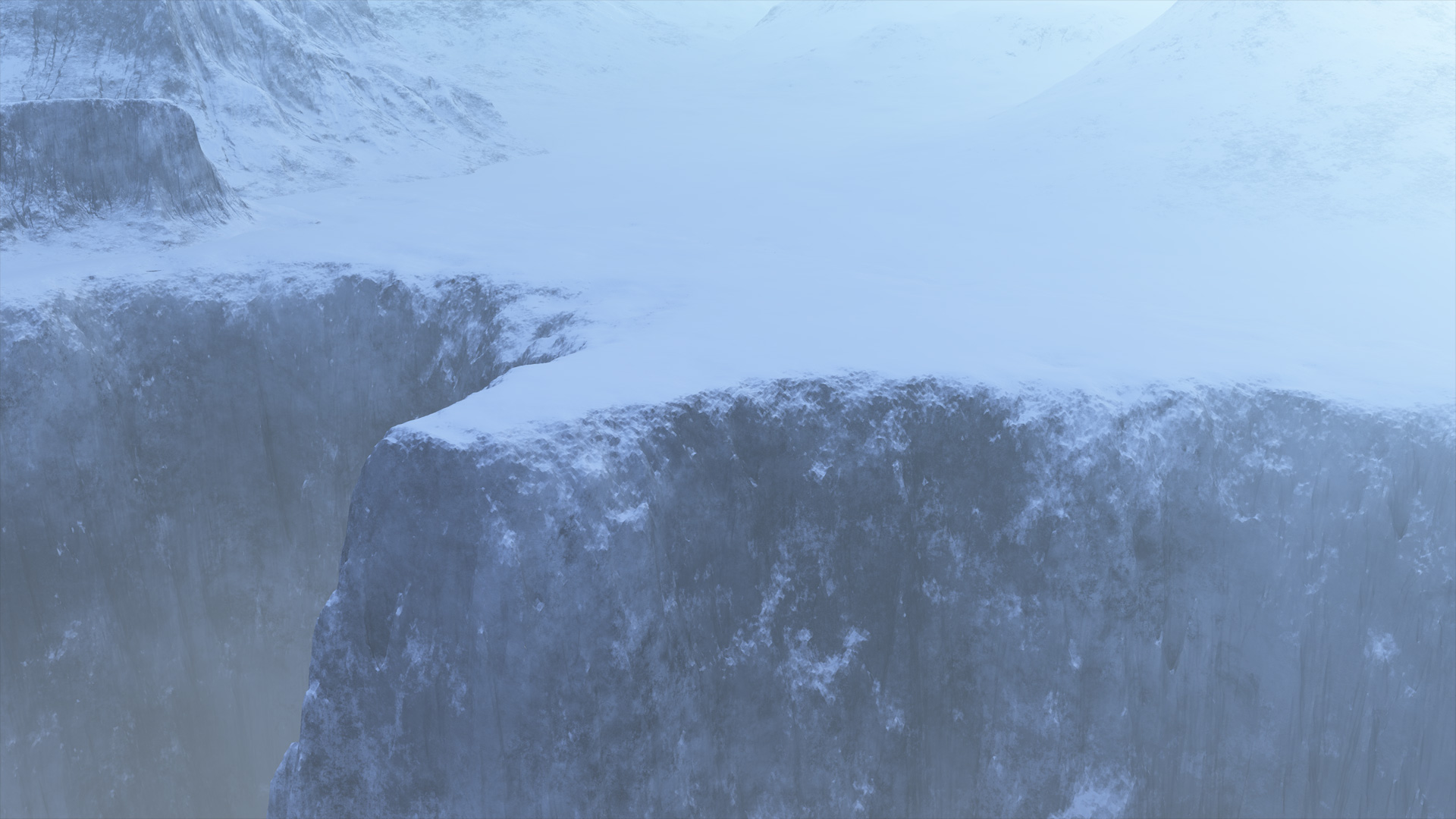
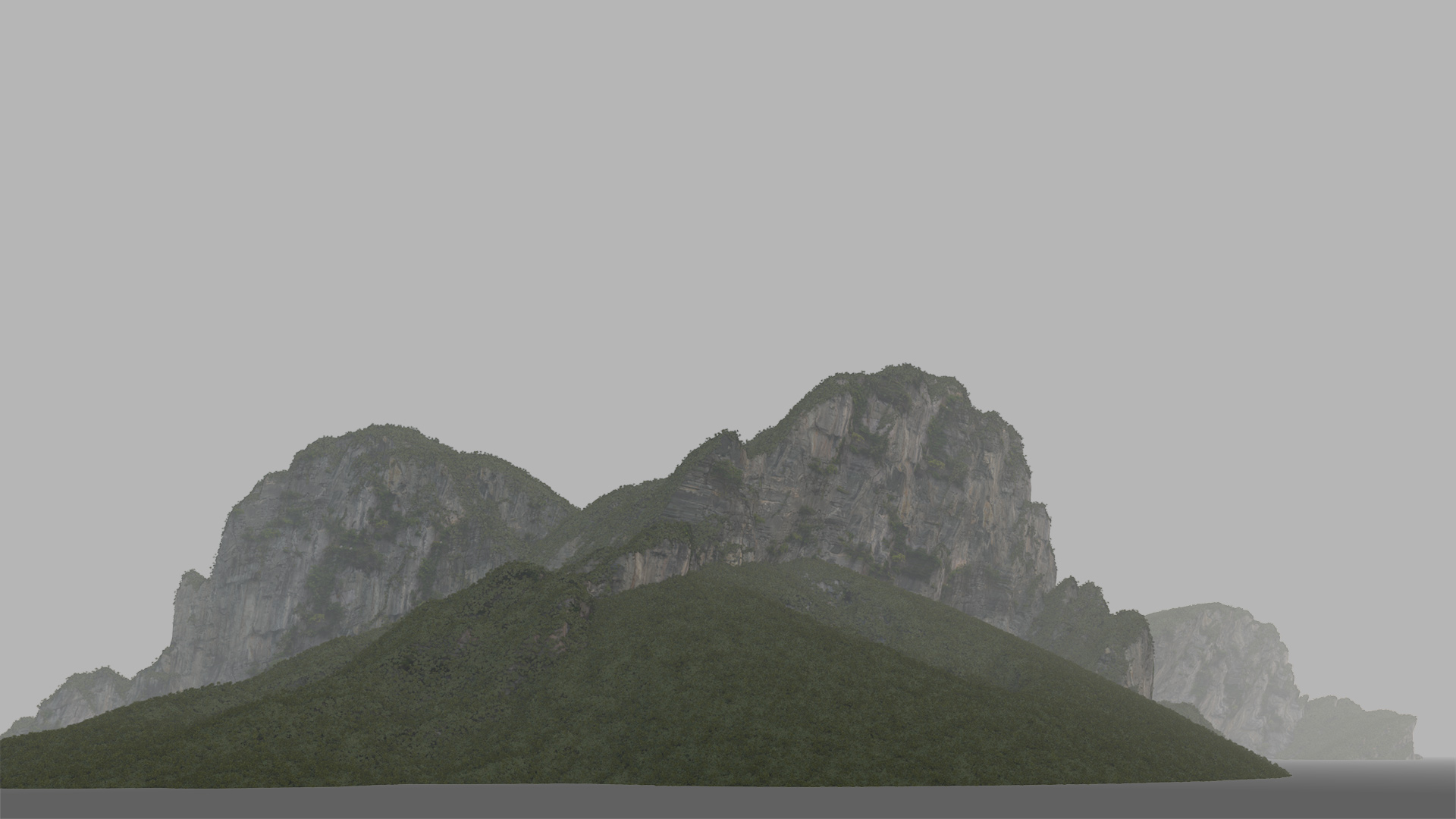
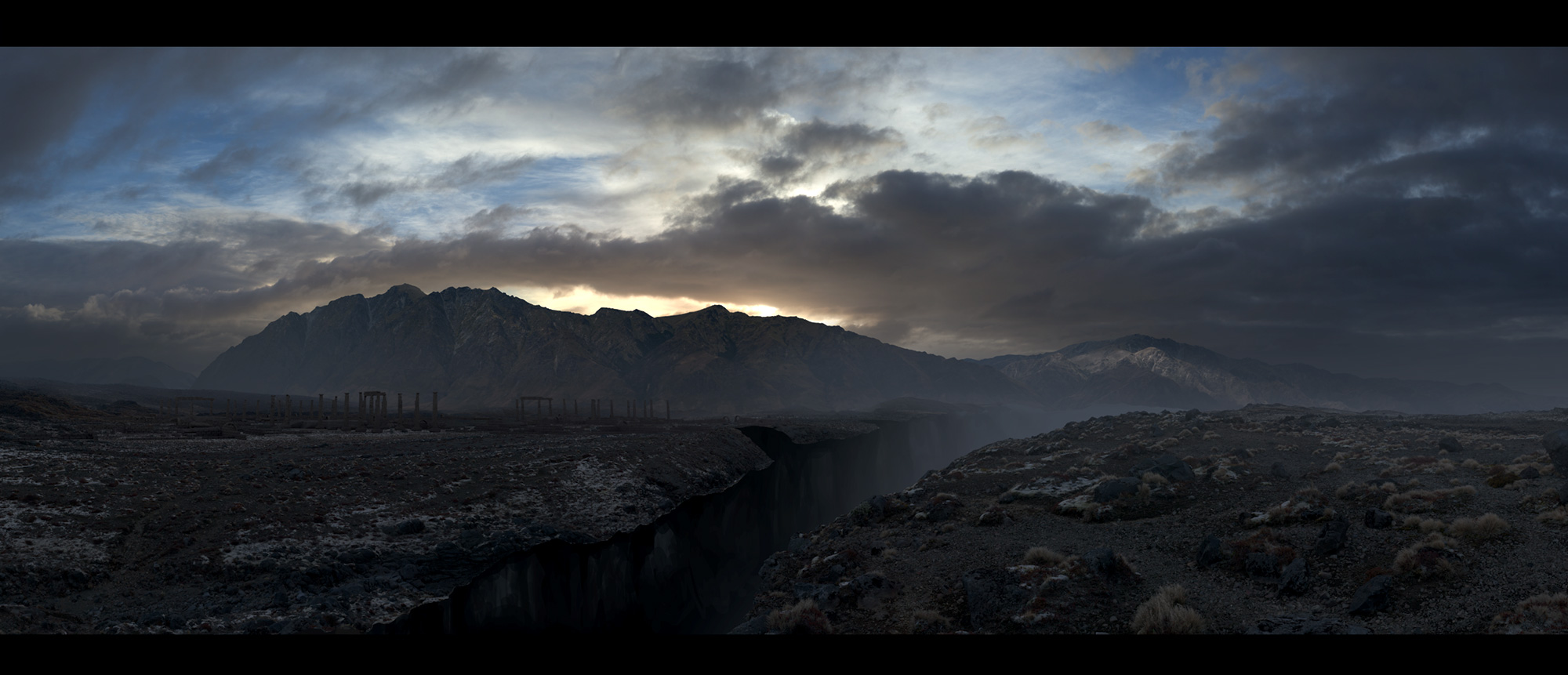
This project examines how the Great Wall integrates with its natural surroundings. Emphasis was placed on atmospheric perspective, the interplay of mist and ridgelines, and the wall's silhouette cutting across distant peaks. The compositions draw on traditional matte-painting techniques to blend photographic elements with digital painting.
The craft of matte painting remains one of the most visually compelling disciplines in digital art, blending photography, 3D modeling, and hand-painted elements into seamless environments. Artists working in this field must develop a deep understanding of atmospheric perspective, color theory, and light behavior to construct believable worlds. Whether depicting ancient ruins, futuristic cityscapes, or vast natural landscapes, the goal is to create an image that feels both grounded and cinematic. Each project becomes a study in problem-solving, from matching lighting conditions across disparate source images to ensuring texture resolution holds up at any scale. The process rewards patience and a meticulous eye for detail.
Environmental concept art serves as the visual foundation for storytelling in film, games, and animation. These pieces establish mood, time of day, climate, and the underlying narrative of a scene before any production work begins. By focusing on composition and value structure first, artists can communicate a strong sense of place and emotional tone. The best environment art feels lived-in, suggesting history and purpose beyond the frame. Whether designing a war-torn landscape or a serene countryside, the artist's choices around color palette and lighting direct the viewer's attention and evoke a specific response. This foundational work shapes the visual identity of entire projects.
Digital painting workflows have evolved significantly, offering artists unprecedented flexibility to iterate and refine their ideas. Layering techniques allow for non-destructive editing, while custom brushes can simulate traditional media like oils, pastels, or watercolors. Many artists maintain a library of photographic textures and hand-painted elements to accelerate their process without sacrificing originality. The key is balancing speed with quality, knowing when to paint detail by hand and when to integrate photo references. As tools continue to improve, the line between photography and painting grows increasingly subtle, challenging artists to develop strong foundational skills in both observation and digital manipulation.
A well-curated portfolio is essential for any freelance artist seeking opportunities in the visual effects and entertainment industries. It should demonstrate versatility across different subjects, scales, and lighting conditions while maintaining a consistent level of technical execution. Prospective clients look for strong composition, clear storytelling, and evidence of problem-solving ability. Including breakdowns or work-in-progress images can reveal the artist's process and technical approach. Regular updates keep the portfolio fresh and reflective of current skills. Ultimately, the goal is to leave a lasting impression that encourages potential collaborators to reach out and start a conversation about upcoming projects.