
Cliffside Approach
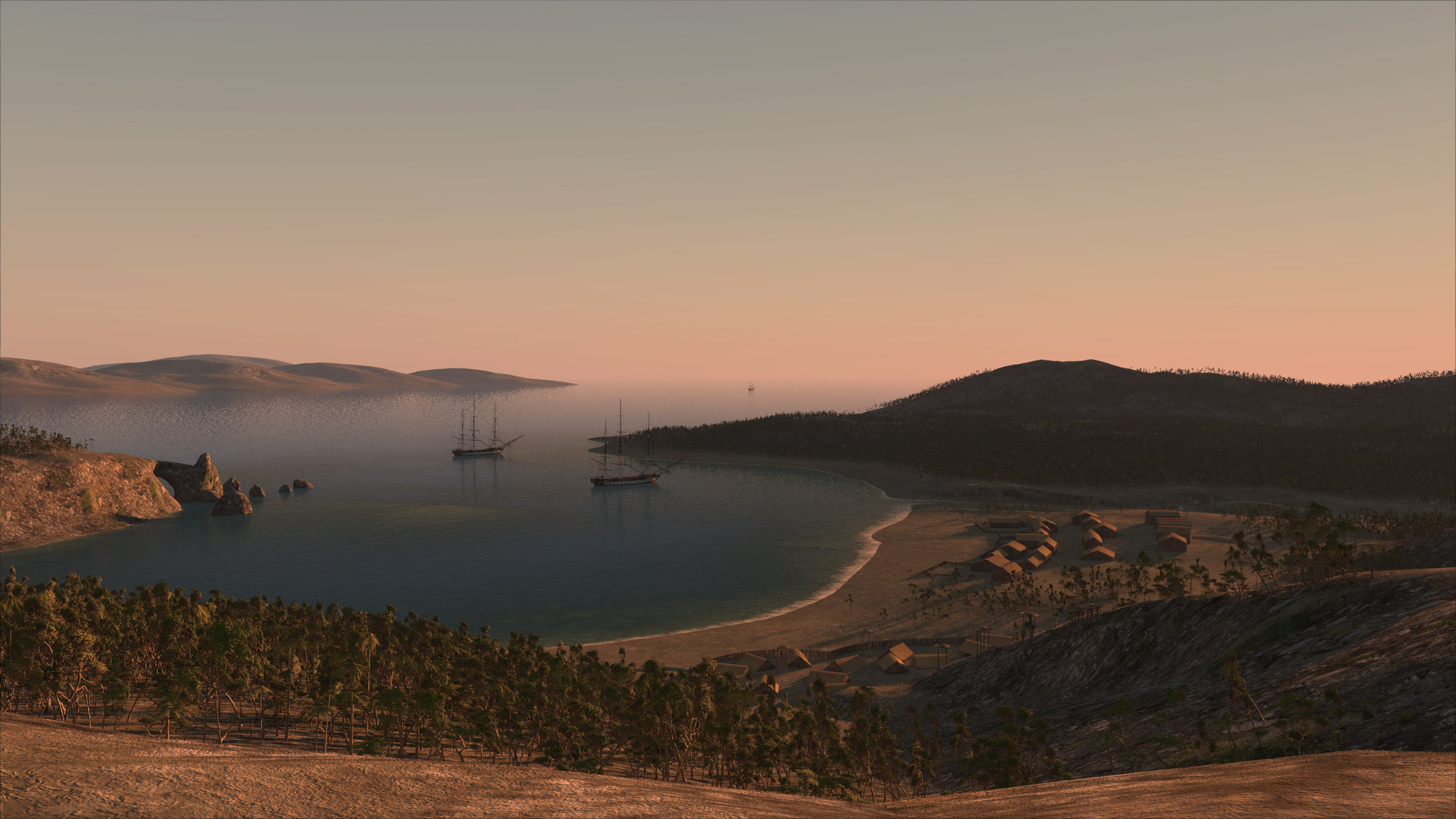
A wide vista emphasising the sheer scale of the bay. Dark storm clouds roll in from the horizon while waves crash against the rocky shoreline. The composition draws the eye along the cliff edge toward the distant headland, using atmospheric haze to create depth.
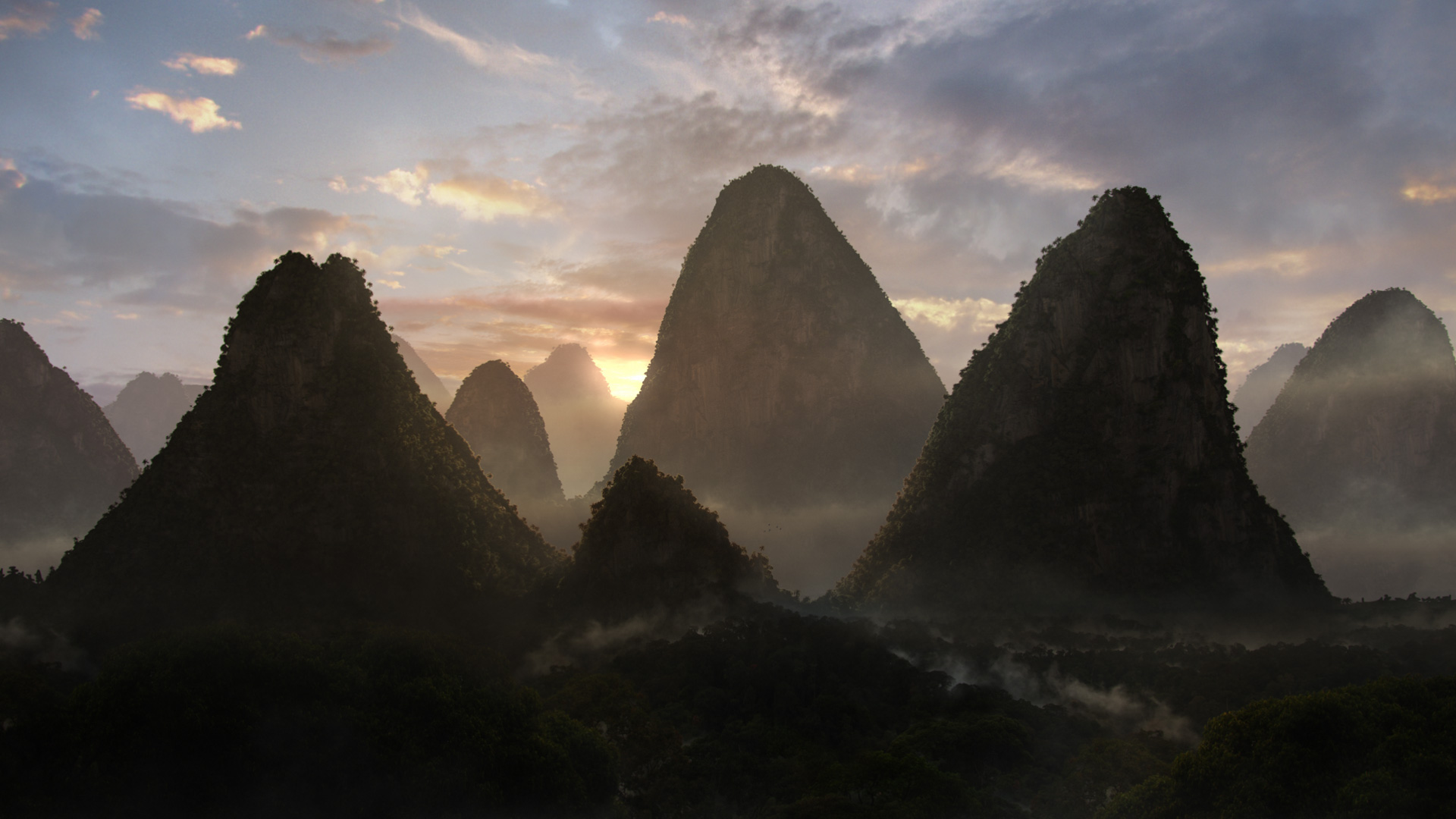
The creative journey of a digital artist often begins with the study of light and atmosphere. Whether working on matte paintings or full environment concepts, understanding how natural illumination shapes a scene is fundamental. From the golden glow of a setting sun to the muted tones of an overcast sky, each lighting condition tells its own story. Artists spend countless hours observing real-world references, painting studies, and refining their ability to replicate these effects digitally. This dedication to mastering light behavior allows them to construct believable worlds that feel grounded in reality, even when depicting fantastical or futuristic settings. The process is as much about technical skill as it is about developing a keen visual eye.
Matte painting remains one of the most powerful techniques in visual effects and concept art. It involves blending painted elements with photographic or rendered imagery to create seamless environments that would be impossible or impractical to build physically. This craft requires a deep understanding of perspective, color theory, and composition. Artists must consider how different layers of depth interact, from foreground details to distant atmospheric haze. The result is often a single, convincing image that serves as a backdrop for film, game, or architectural visualization work. The discipline continues to evolve alongside digital tools, yet the core principles of painting remain timeless and essential to producing compelling visual narratives.
Color palette choices define the emotional tone of any visual project. A carefully selected range of hues can evoke feelings of tranquility, tension, mystery, or grandeur. Deep greens and earthy tones often ground a scene in nature, while stark contrasts between light and shadow create drama and focus. Warm accents like gold or mustard can draw attention to key elements within a composition, guiding the viewer’s eye purposefully. The balance between saturated and muted colors also plays a critical role in establishing depth and atmosphere. Skilled artists develop an intuitive sense for these relationships, using color not just decoratively but as a fundamental storytelling device that supports the overall mood of the piece.
The artist’s portfolio serves as a living document of creative growth and technical exploration. Each completed project represents countless decisions made during the process, from initial thumbnail sketches to final polished renders. Personal projects often provide the most freedom to experiment with new techniques, styles, and subject matter without the constraints of client briefs. These self-directed works allow artists to push boundaries, revisit classic themes with fresh perspectives, or simply indulge in subjects they find personally inspiring. Over time, a body of work accumulates that reveals recurring interests, evolving strengths, and the unique visual voice of its creator. Sharing this work invites dialogue, feedback, and connection within the broader artistic community.