Camera Projection Test
An early technical pass using camera projection to map painted textures onto simple geometry. The test focuses on parallax and atmospheric perspective, establishing the cliff's towering presence against a cold, overcast sky.
A digital environment study exploring a remote, ice-bound cliff face. This project combines traditional matte-painting techniques with camera projection workflows to create a sense of depth and scale across a frozen landscape.
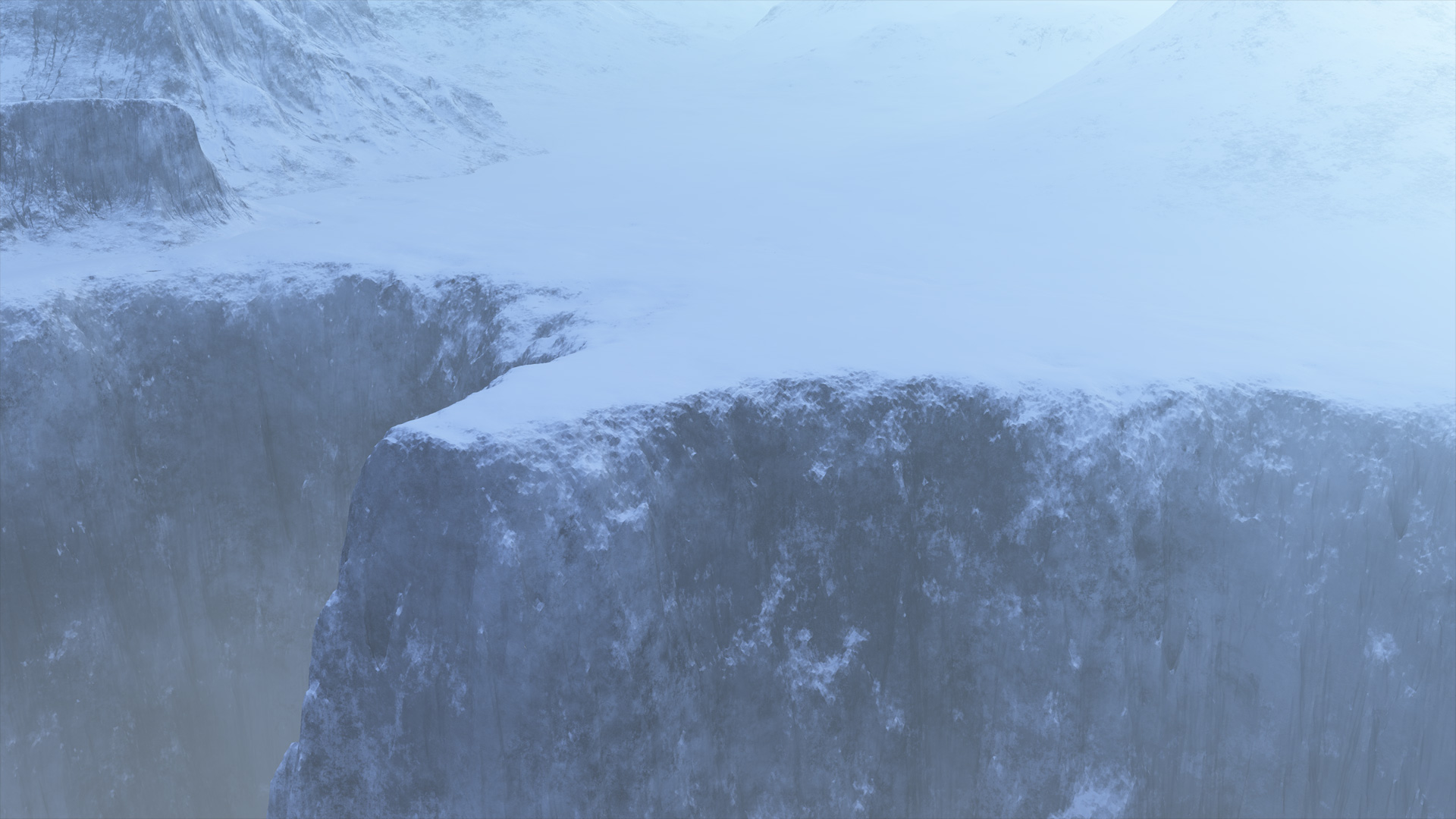
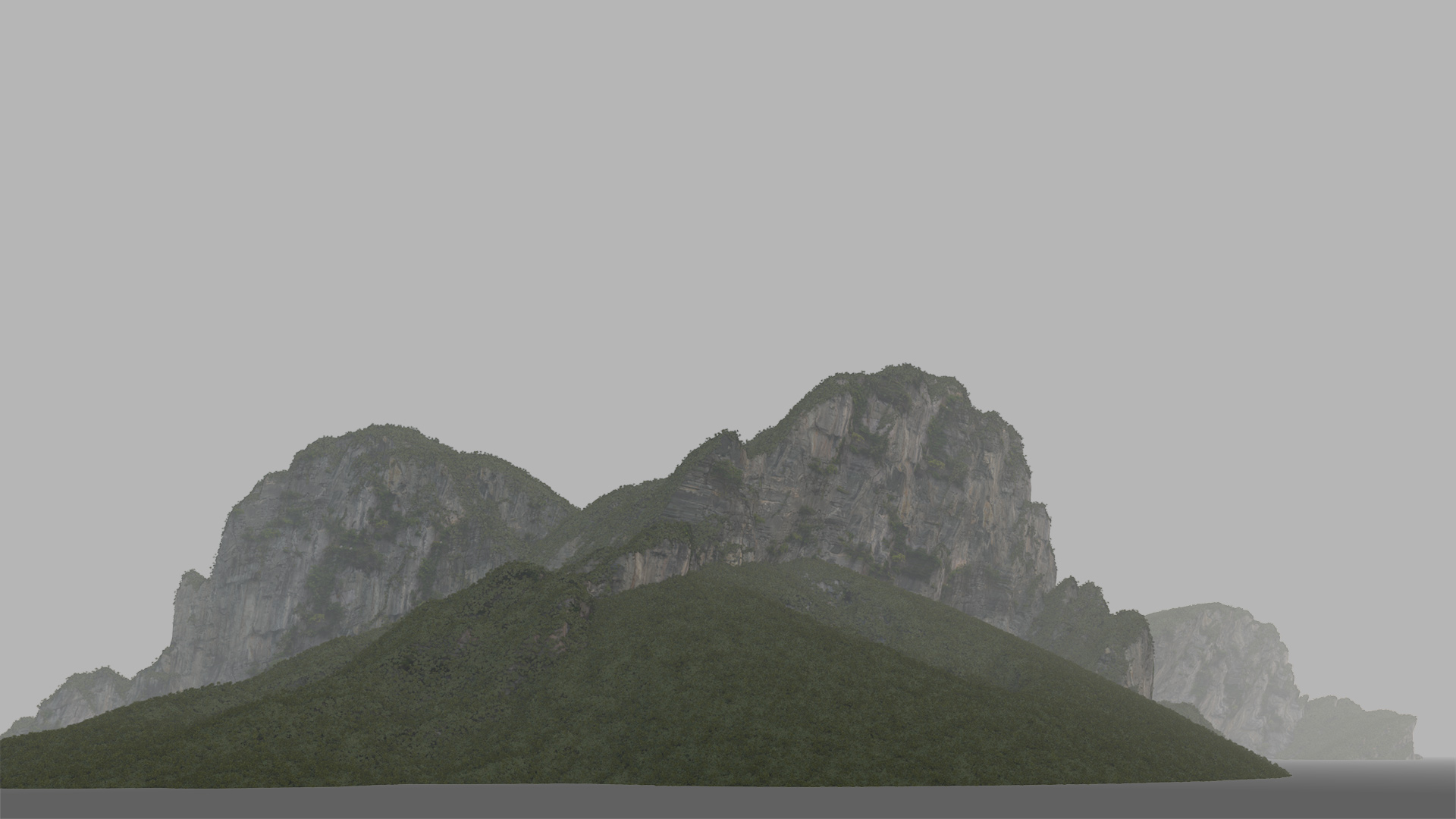
An early technical pass using camera projection to map painted textures onto simple geometry. The test focuses on parallax and atmospheric perspective, establishing the cliff's towering presence against a cold, overcast sky.
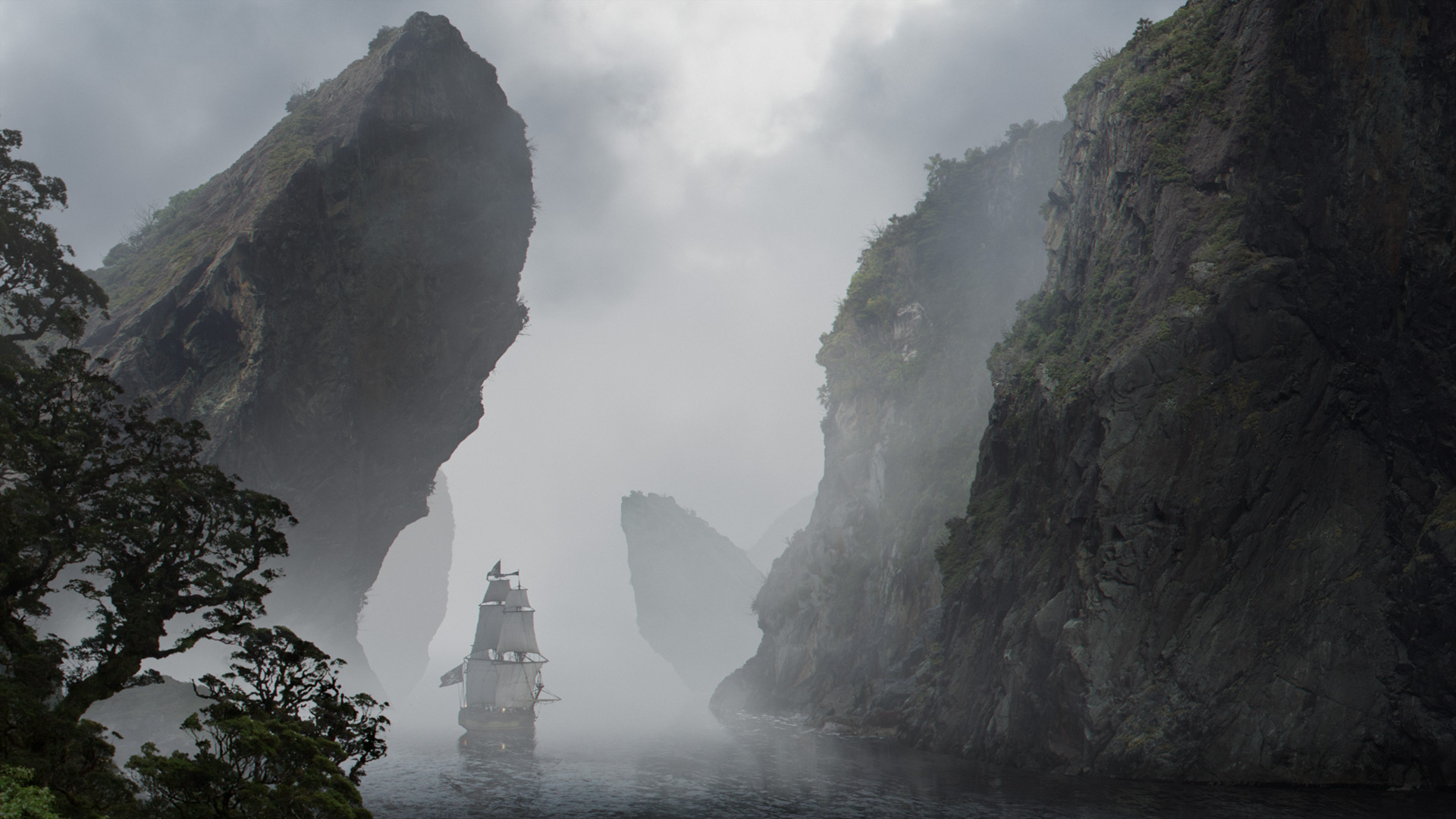
A refined iteration building on the initial setup. This version introduces subtle camera movement and additional texture layers on the ice formations, refining the sense of scale and the interplay of light across the frozen surface.
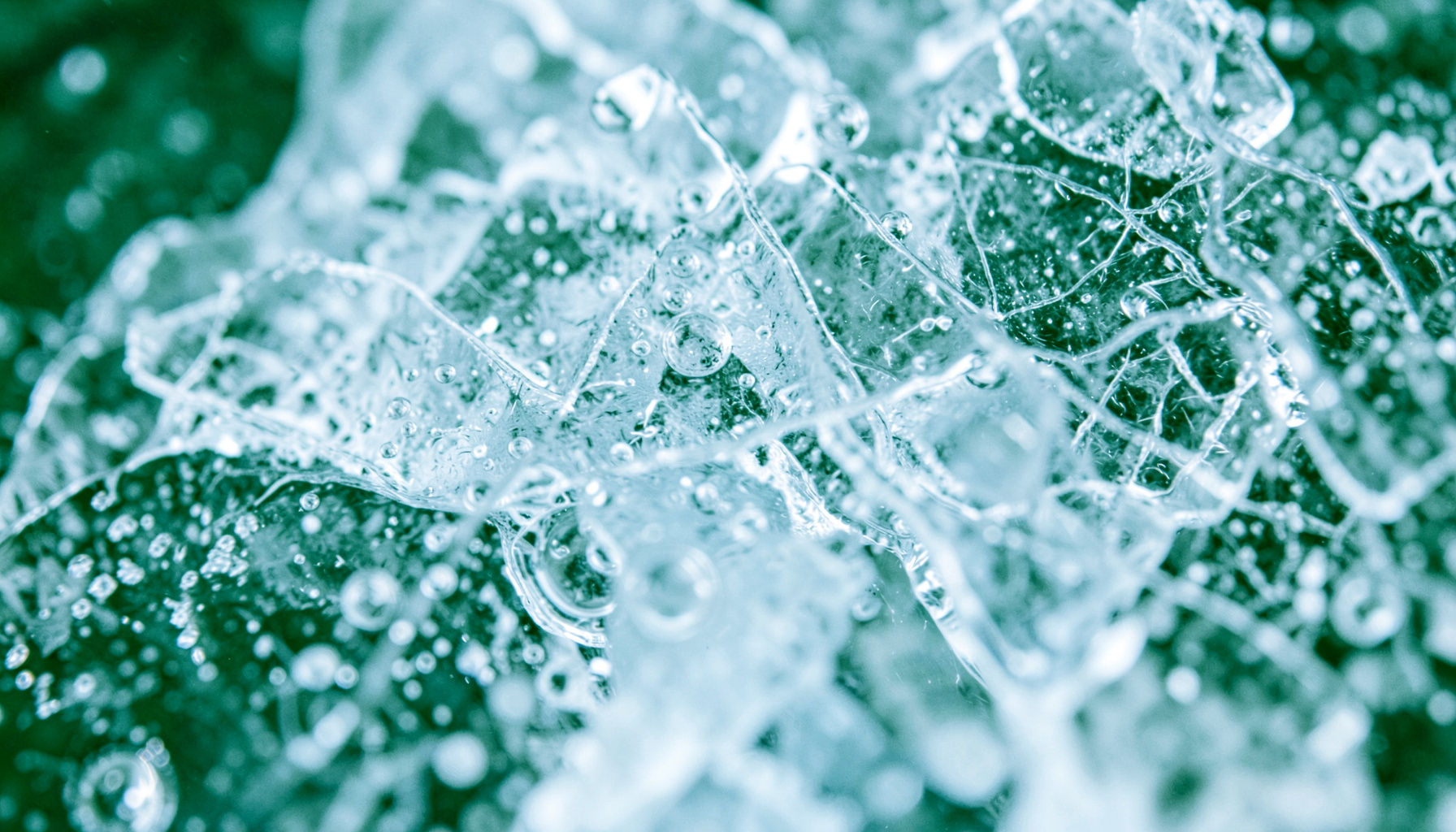
From initial concept sketches through to the final composite, each stage of The Frozen Cliff builds on the last. Early blocking established the composition; subsequent passes layered in detail, atmosphere, and lighting to arrive at the finished environment.
The creative process behind digital matte painting often begins with a single photograph or a rough sketch, which is then transformed through layering, color grading, and perspective work. Artists combine photographic elements with hand-painted textures to build environments that feel both real and imagined. This method allows for the construction of vast landscapes that would be impossible to capture in a single frame. Each layer of paint and texture adds depth, guiding the viewer's eye through the composition. The goal is always to create a seamless image where the boundaries between photography and painting dissolve entirely, leaving only the atmosphere and story intact.
Light and color are the fundamental tools for establishing mood in any visual environment. A cold, overcast sky can communicate isolation and silence, while warm golden tones might suggest nostalgia or hope. Matte painters study how light behaves across different surfaces—how it catches on ice, how it softens through fog, or how it breaks across rocky terrain. Understanding these principles allows the artist to control the emotional temperature of a scene. Even within a single project, subtle shifts in hue or brightness can transform the entire feel of a landscape, turning a barren cliff into a place of quiet contemplation or looming danger.
Camera projection techniques offer a bridge between traditional painting and modern 3D workflows. By projecting painted textures onto simple geometric models, artists can create the illusion of immense depth and parallax without building every detail in three dimensions. This approach is especially effective for establishing shots in film and game production, where a single image must convey scale and atmosphere quickly. The technique demands precision in both the initial painting and the camera setup, as even small misalignments can break the illusion. When executed well, it produces a living painting—one that responds to movement while retaining its handcrafted quality.
The study of natural environments provides endless inspiration for concept artists and matte painters. Remote landscapes like frozen cliffs, stormy coastlines, and dense forests offer complex textures and lighting conditions that challenge the artist's skills. Each environment presents unique problems: how to render the translucency of ice, the weight of storm clouds, or the scale of a mountain face. These studies are not merely exercises in realism but explorations of atmosphere and narrative. A single image of a frozen cliff can suggest an entire world—its climate, its isolation, and the stories that might unfold within its silent, windswept expanse.